The Rising Importance of Sulfur in Crop Production
Nitrogen, phosphorus and potassium, also known as the big three, are generally considered the three macronutrients essential to plant growth… but Nutrien Senior Agronomist Dr. Alan Blaylock says that there are actually six macronutrients, one of which is increasing in importance. Growers and agronomists alike are taking a closer look at the importance of sulfur as the “fourth major crop nutrient.” In a recent interview with Oklahoma Farm Report, Dr. Alan Blaylock reviewed the role of sulfur in crop production and the recent rising need for sulfur fertilization.
Sulfur’s Role in Crop Production
Sulfur plays a vital role in plant nutrition. Recently described as the “fourth major crop nutrient,” because of its relative importance, sulfur is essential to a variety of plant functions including chlorophyll production, protein formation and seed development. It’s also an essential component of key amino acids in various crops. When you add sulfur to your soil, you support better plant health and growth and greater resistance to stress and disease while improving nitrogen-use efficiency.
Why The Increased Interest in Sulfur?
In the 1900s, sulfur was emitted from factory and power plant exhaust into the atmosphere and delivered to our soil through rainfall (also known as acid rain). This meant that, in areas with significant manufacturing and electricity generation, you rarely had to look at supplying additional sulfur as fertilizer. This began to change after the Clean Air Act was first passed in the United States in 1970. The Clean Air Act was established to regulate factory emissions and protect the population from airborne pollutants. This resulted in the removal of sulfur pollutants from factory emissions to prevent their release into the atmosphere. This greatly reduced the sulfur deposited on the land from the atmosphere and resulted in a greater need for sulfur additions to our soils to supply crops with the sulfur they need to grow.
Looking Ahead: Tools for Success
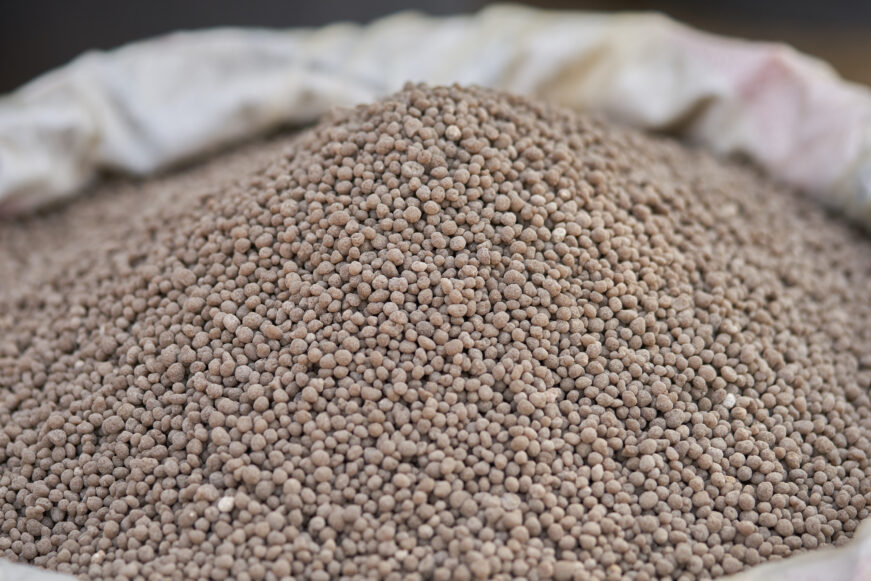
When you notice that you have a deficiency and need to add sulfur back into your soil, you can choose from a variety of sulfur-based fertilizer products including ammonium sulfate and elemental sulfur. While both products are considered economical, and can be effective when properly used, they behave differently in the soil. Ammonium sulfate supplies the sulfate form of sulfur—the form that is immediately available and taken up by plants. Elemental sulfur, on the other hand, must be converted to the sulfate form by soil microbes. This conversion can take some time; therefore, elemental sulfur is considered a “slow release” fertilizer that can help protect your sulfur from loss. The soil environment and the specific properties of the elemental sulfur fertilizer determine the rate of conversion (elemental sulfur to sulfate) and whether it will become available when needed by the crop. Products like Smart Nutrition MAP+MST combine micronized elemental sulfur with monoammonium phosphate to slowly release sulfur throughout the growing season. Micronized elemental sulfur, comprised of very small sulfur particles, converts to sulfate at a rate more closely matched to crop need than more traditional elemental sulfur fertilizers. They help you supply the sulfur your crops need, when they need it, all season long.
Learn how you can fuel your fields with Smart Nutrition MAP+MST when you reach out to your local rep.
Interested in learning more about the role that sulfur plays in crop production? Visit the following resources:
Sulfur: The Fourth Major Nutrient
How Much Sulfur Does Your Crop Need?