Phosphorus
THE IMPORTANCE OF PHOSPHORUS
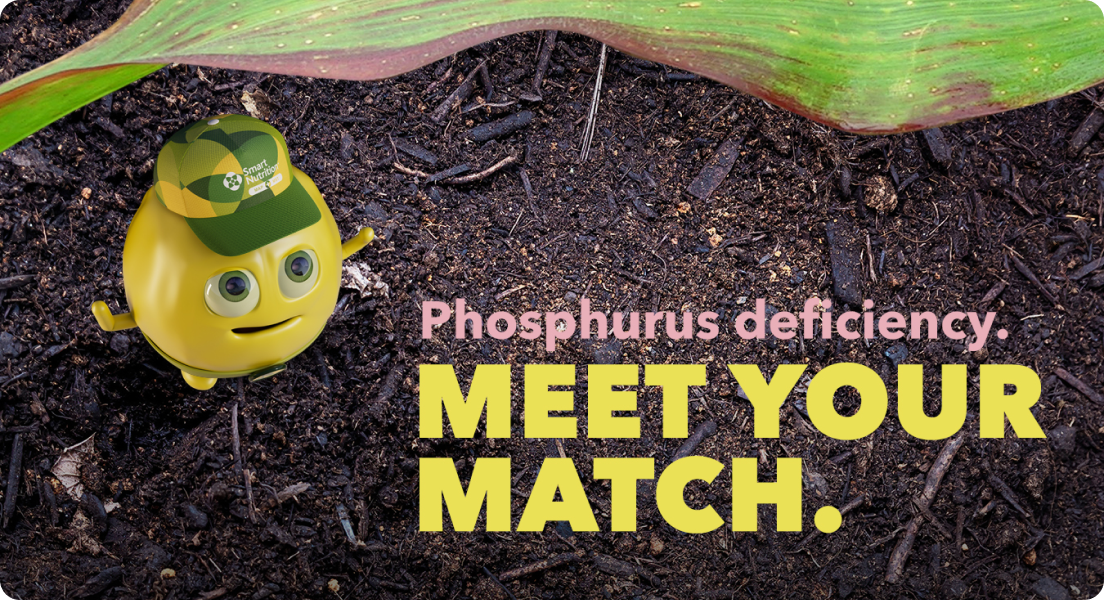
Phosphorus is an essential macronutrient required by plants for optimum growth and reproduction. Phosphorus should be included in every nutrient management plan because it plays a vital role in plant development, including energy transfer and photosynthesis.
Phosphorus Availability
With yields and nutrient removal rates outpacing fertilizer application, many soils in North America are testing below the critical level for phosphorus. As levels continue to decline, it’s important to supply adequate phosphorus to meet crop demand throughout the growing season.
Plants need phosphorus very early, from the first stages of germination, for energy reactions, cell division, and growth. Because phosphorus doesn’t easily move throughout the soil, placement of phosphorus fertilizers is a major management decision that should be determined by your soil test levels, weather conditions, cropping system, and the presence of tillage. Often placing phosphorus close to the seed as a starter fertilizer results in increased yield.
The Need For Phosphorus Fertilization
Phosphate fertilizer has traditionally been a part of fertilizer programs, but the need for the addition of sulfur has evolved over the past decade. When looking at traditional MAP versus Smart Nutrition MAP+MST, growers can get micronized elemental sulfur, as part of their phosphorus management program. Many other specialty products available tend to over apply phosphorus when applied at sulfur needs of the crop. Over application can lead to potential losses or reduce a producer’s ROI. The high phosphorus and sulfur nutrient density in Smart Nutrition™ MAP+MST® means lower fertilizer volumes are needed to meet nutrient requirements.
Watch Phosphorus in Action