New Study Identifies Corn Sulfur Needs
Healthy soil means healthy yields. A new study released by Purdue found that sulfur deficiencies are more common today due to a decrease in atmospheric sulfur. According to the study, growers should not depend on starter fertilizers to fill their corn crop’s sulfur needs.
Sulfur Deficiencies
Sulfur is a vital macronutrient for healthy crops. Today, sulfur levels in soil have decreased due to clean-air regulation and fewer coal-fired power plants. Less sulfur emitted from factories, power plants, and automobiles has resulted in less sulfur for the soil to absorb.
Fields that are sandy with low organic matter in soils or have unfavorable conditions for mineralization—caused by excessively cold, wet or dry soils—are at higher risk for sulfur deficiencies.
The Right Rate and Time
Trials from the study suggest 10-15 pounds sulfur/acre as the minimum effective rate for sulfur-deficient fields. The optimal time suggests that growers should apply the nutrient just before planting but no later than sidedressing. Applying sulfur too early increases the risk of soil sulfate loss.
Sulfur fertilizers are a necessary aspect of nutrient management planning to maintain maximum yield potential.
Study Summary
Check out this video for a summary of the sulfur research.
The Right Nutrition
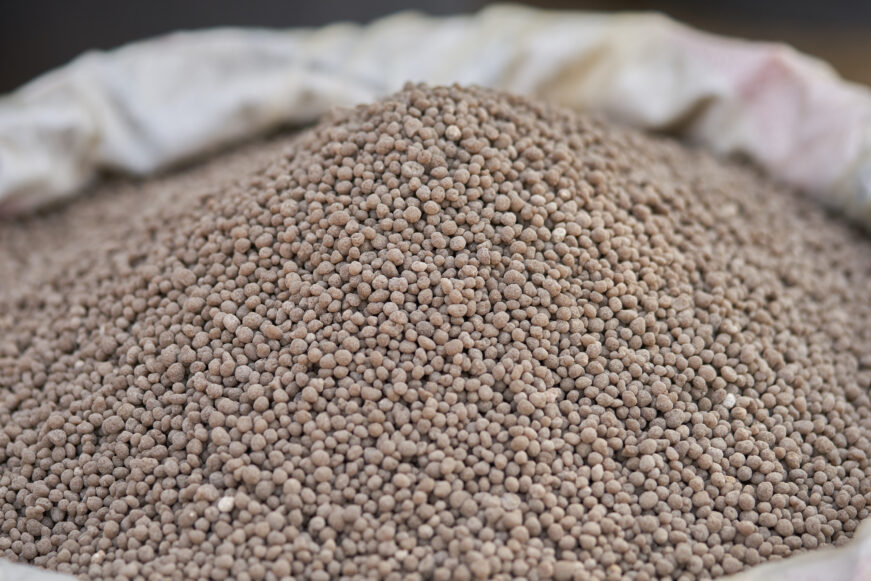
Adding Smart Nutrition™ MAP+MST® to your fertilizer program can improve its overall effectiveness. When used correctly, Smart Nutrition MAP+MST offers valuable benefits to your crops’ growth and overall health by providing nitrogen, phosphate and sulfur in a homogeneous product: (N)9-(P)43-(K)0-(S)16.
If you’re thinking about adding Smart Nutrition MAP+MST to your farming operation, get in touch with your local sales rep for advice based on your farm’s unique needs.
Sign up for the Smart Nutrition newsletter to receive new information on fertilizer applications and tips from agronomists.