When Was Your Last Soil pH Test?
The pH of your soil is one of the most important pieces of the puzzle according to Dustin Demoss, Senior Marketing Representative at Nutrien. The pH characterizes the soil as acidic, neutral, or alkaline. This information can help you determine the availability of certain nutrients in the soil, and more importantly, what nutrients your soil may be lacking.
Taking soil samples gives you the most consistent and accurate reading of your pH for a minimal cost. John Niemeyer, Senior Marketing Representative at Nutrien, notes that while pH won’t necessarily change from year to year, a very wet year can have a big impact.
What you have applied one year to the next, especially manure, will impact your pH levels over time and can negatively impact nutrient availability for your crops. If you haven’t tested for pH levels in five or more years, it’s time to get out there and take some soil samples.
Check out these resources on soil pH and soil sampling:
Managing Soil pH: Four Facts You Should Know
What Does Your Basic Soil Test Mean?
It affects Potassium and Phosphorus Fertilizer Availabilty and Management
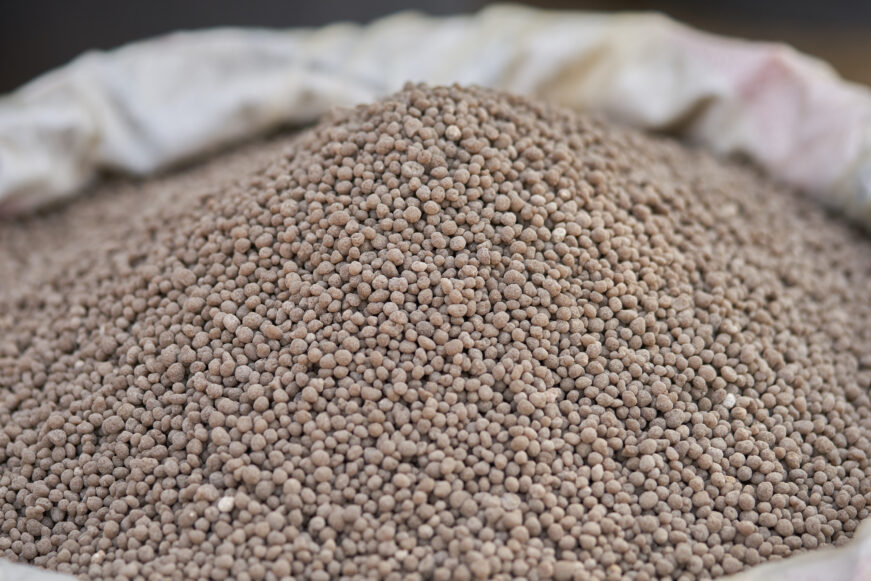
If you’re thinking about adding Smart Nutrition MAP+MST to your farming operation, get in touch with your local sales rep for advice based on your farm’s unique needs.
Sign up for the Smart Nutrition newsletter to receive new information on fertilizer applications and tips from agronomists.